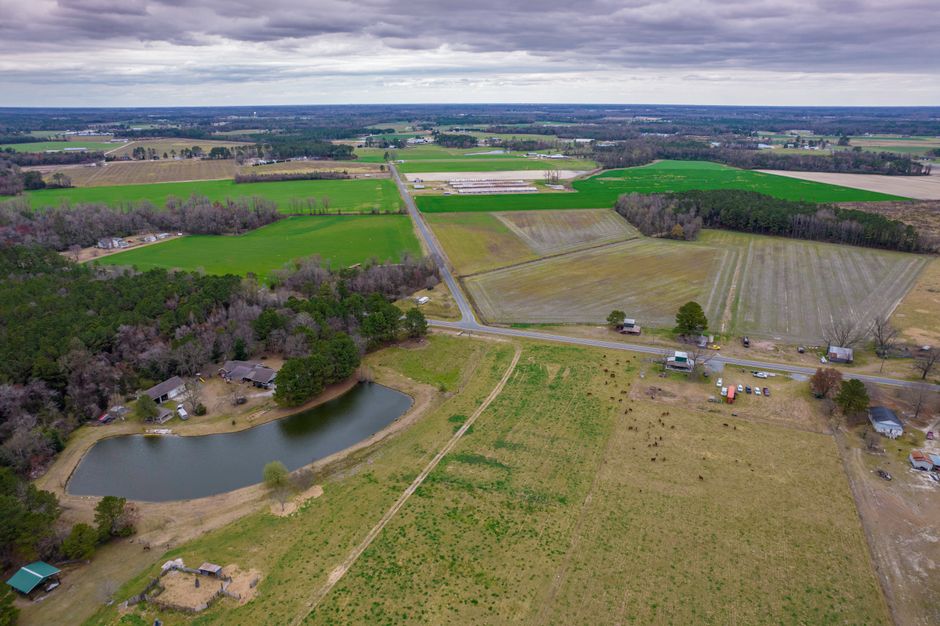
How to Find Buyers for Vacant Land in Nc
Owning vacant land in North Carolina can feel like holding an asset that nobody wants. You pay taxes on it every year, you may live nowhere near it, and unlike a house, there is no roof, no driveway, and no obvious selling point to put in a listing. Yet there is a real market for raw land — you just have to know where the buyers are and what they care about. This guide walks through the practical options for finding a buyer for your North Carolina land in 2026, from listing it yourself to selling directly to a land-buying company, and explains how to choose the route that fits your timeline and your goals.
Start by Understanding What You Own
Before you market the property, gather the facts a buyer will ask about. Vacant land buyers evaluate parcels very differently from home buyers, and missing information scares off serious offers.
- Legal description and parcel ID. Pull these from your county tax records or your deed.
- Acreage and boundaries. A recent survey is ideal. If you do not have one, at least confirm the acreage on the county record and be upfront that it has not been recently surveyed.
- Zoning and land use. Is it residential, agricultural, or something else? Zoning determines what a buyer can actually do with the land.
- Access. Does the parcel front a public road? Is there a recorded right-of-way or easement? Landlocked parcels are harder to sell and typically command lower prices.
- Utilities and improvements. Is there power nearby? A well or septic permit on file? Any perk test for a septic system? These details matter enormously for residential lots.
- Restrictions. Deed restrictions, HOA rules, floodplain overlap, and conservation easements all affect value.
- Taxes and liens. Back taxes, outstanding liens, or an inherited title with multiple heirs can complicate a sale. Knowing this early lets you solve problems before they stall a closing.
If the property was inherited, confirm how title is held. Heirs who all need to sign can slow a sale down, and buyers will want clarity on that before making an offer. Understanding how to transfer land title in North Carolina ahead of time can prevent costly delays.
Option 1: Sell Directly to a Land Buyer
The fastest path for many owners is selling directly to a company that buys vacant land. This is especially relevant for people who live out of state, inherited property they never wanted, own land with back taxes, or simply do not want to deal with showings, agents, and months of uncertainty.
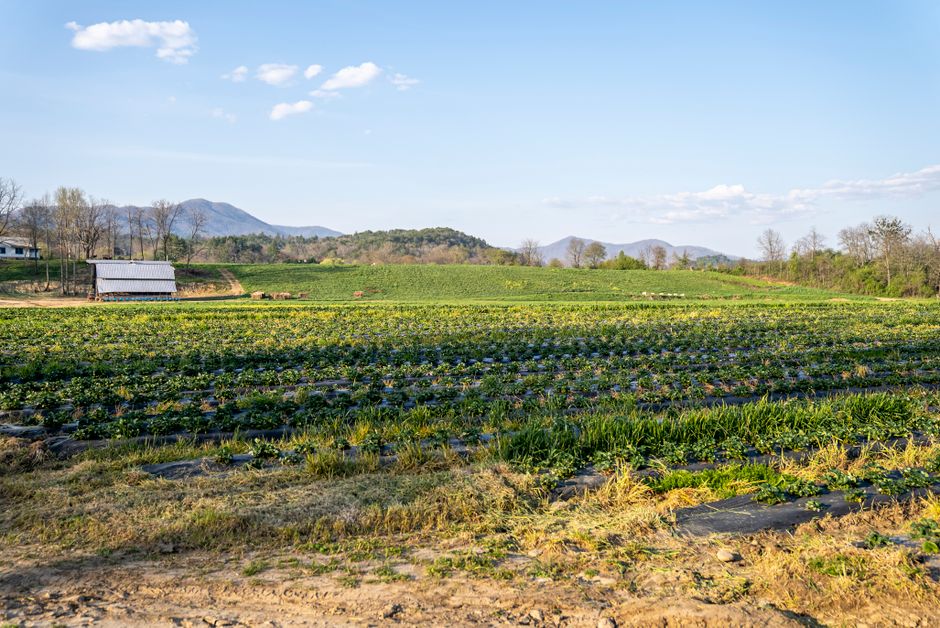
A direct sale typically works like this: you describe the property, the buyer researches it, and if it fits their criteria, they make a cash offer. If you accept, the closing is handled through a title company or attorney, and you get paid at closing. Red Clay Acquisitions LLC, a North Carolina-based company, buys vacant land directly from owners — residential lots, rural acreage, and inherited or unwanted properties — with no commissions or hidden fees. Their model is built around simplifying the process for sellers who want speed and certainty rather than a drawn-out listing.
What to expect from a direct sale:
- No agent commissions and typically no listing costs.
- No repairs, cleanup, or staging — the land sells as-is.
- Cash offers, so there is no financing contingency that can fall through.
- Flexible closing timelines, which helps if you need time to sort out title or probate issues.
- Offers are usually below full retail market value, since the buyer takes on the risk, holding costs, and resale work.
That last point matters. A direct sale is a tradeoff: you give up some of the top-end price in exchange for speed, convenience, and certainty. Owners who need every dollar should compare a direct offer against a listing-based estimate before deciding.
Option 2: List the Land With a Land-Savvy Agent
If maximizing price is your priority and you have time to wait, listing with a real estate agent — ideally one who specializes in land rather than homes — can reach a wider pool of retail buyers. Land specialists know how to market acreage, understand zoning and perc tests, and can advise on pricing.
Be aware of the tradeoffs:
- Commissions. A typical listing involves a commission paid at closing, which reduces your net proceeds.
- Time. Vacant land often sits on the market longer than houses. Months-long timelines are common, and there is no guarantee of a sale.
- Carrying costs. Property taxes, insurance, and maintenance continue while the land is listed.
- Buyer financing. Land loans are harder to get than mortgages, so some retail buyers cannot close.
Interview more than one agent. Ask how many land parcels they have sold, how they price raw land, and how they plan to market your specific property. It also pays to review the typical closing costs when selling land in NC so you know your true net before signing a listing agreement.
Option 3: Sell It Yourself (For-Sale-by-Owner)
Selling land yourself saves the commission but shifts the entire marketing and paperwork burden onto you. If you go this route, be prepared to:
- Price the land realistically using comparable sales of similar parcels — not home values.
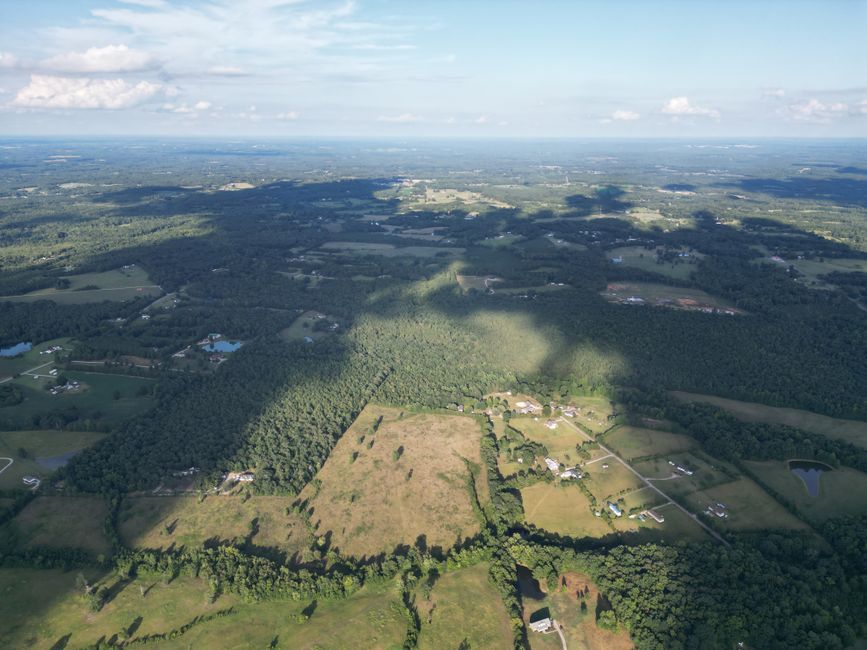
- Take clear photos and, if possible, aerial or drone images to show the parcel's layout and surroundings.
- Write a listing that covers acreage, zoning, access, utilities, and restrictions honestly.
- Field calls from curious neighbors, lowballers, and occasional scammers.
- Handle contracts, disclosures, and closing coordination — ideally with help from a real estate attorney.
FSBO works best when the land is attractive, easily accessible, and clearly valuable — a buildable lot in a desirable area, for example. It is tougher for remote, odd-shaped, or heavily restricted parcels. Before going it alone, it helps to understand the tips for selling land in NC without a realtor so you do not miss a critical step.
Where Land Buyers Actually Look
Whether you sell directly or list, it helps to know where demand originates. Buyers for North Carolina vacant land typically fall into several groups, and each has different priorities.
- Builders and developers. They want lots with road access, utilities, and favorable zoning.
- Farmers and rural buyers. They value acreage, soil, water, and agricultural use — often looking in more rural counties.
- Recreational buyers. Hunters, campers, and outdoor enthusiasts want wooded tracts, creek frontage, and privacy.
- Investors and land flippers. They buy discounted parcels, often with problem titles or back taxes, and resell or develop them.
- Neighboring owners. The person next door often wants to expand their holdings — a market you can tap directly with a letter or a knock.
- Out-of-state and inherited-property sellers' counterparts. Many buyers specialize in exactly the situations that frustrate traditional listings: heirs, tax-delinquent parcels, and remote ownership.
Marketing channels follow the buyers. Online land marketplaces and land-focused investor networks reach investors and recreational buyers; local agents and county builder associations reach developers; and direct outreach — letters to adjacent owners — reaches neighbors. A simple "for sale" sign on the property still works surprisingly well for road-front parcels.
Common Hurdles That Stop a Land Sale
Many land deals fall apart for reasons that have nothing to do with price. Addressing these early can save months:
- Title issues. Inherited land with unclear ownership, missing heirs, or old liens needs to be resolved. A title search early on reveals problems while there is time to fix them.
- Back taxes. Delinquent taxes can be paid at closing from proceeds in many cases, but buyers need to know the amount.
- Access problems. Landlocked parcels or vague easements reduce buyer interest. A survey or legal opinion can clarify rights of way. If your parcel has no frontage, learn the options for how to sell land with no road access before listing.
- Unrealistic pricing. Land prices vary enormously by county and use. Overpricing is the most common reason parcels sit for years.
- Missing documentation. No survey, no perc test, no plat — buyers often discount heavily for unknowns, so gathering records can pay for itself.
How to Choose the Right Path
There is no single best way to sell vacant land — the right route depends on your situation. Ask yourself a few questions:
- How fast do you need to sell? Direct buyers typically move fastest; listings take longer.
- Do you want to manage the process? If you are out of state or busy, a hands-off sale has real value.
- How much price certainty do you need? A cash offer gives certainty; a listing offers upside but no guarantee.
- Are there complications? Title problems, heirs, and back taxes often make direct sales or attorney-assisted closings the smoother choice.
A sensible approach for many owners is to get a direct cash offer and, in parallel, ask a land agent what the property might fetch on the open market. Comparing both numbers — and the timelines attached to them — gives you a clear picture of the tradeoff.
Conclusion
Finding a buyer for vacant land in North Carolina is less about luck and more about preparation and choosing the right channel. Know what you own, fix what you can, and decide whether you want maximum price on the open market or speed and simplicity through a direct sale. Owners with inherited, unwanted, or tax-burdened land often find that selling directly to a land-buying company like Red Clay Acquisitions removes the headaches of agents, commissions, and uncertain timelines. Whichever path you choose, start by gathering your property records and understanding your options — the clearer your information, the stronger your position with any buyer.